Article
“The League has ceased to be an idea and has become an organisation”: inside the Second Congress of the League of Free Nations in Narva
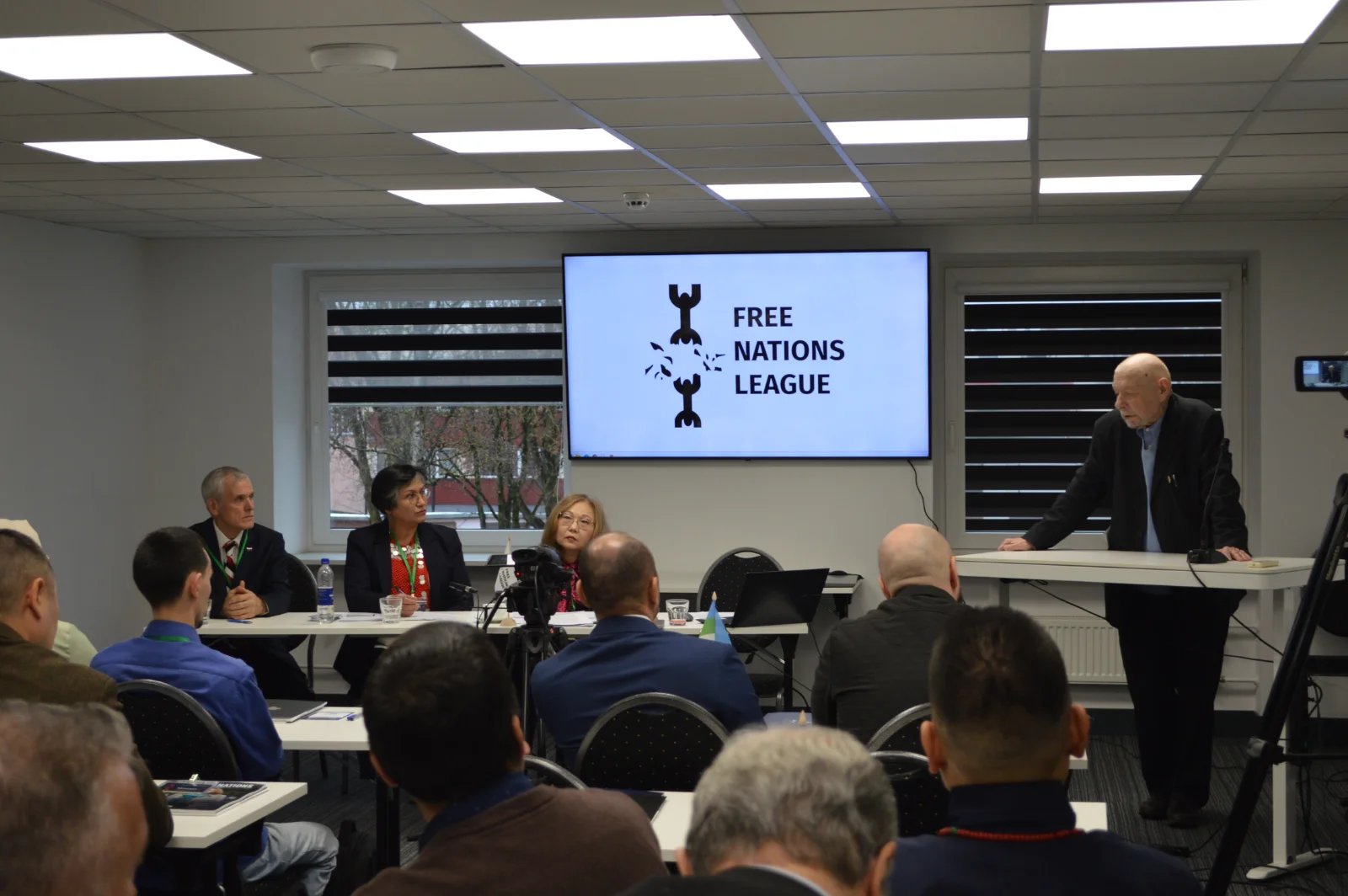
On 23–24 November 2026, delegates of national movements gathered in Narva for the Second Congress of the League of Free Nations. The First Congress, held in Otepää in April 2024, brought together those who were only just founding the League. It adopted the Charter and the Statute, and the League declared that from then on, peoples whom Moscow had for centuries regarded as its property would speak for themselves. The Second Congress took stock and set priorities for the future. The question was whether, in two and a half years, that declaration had been turned into a working organisation.
The venue was no accident. The Congress met in Estonia once again. Narva lies right on the border with Russia. From here, talk about the future of the peoples left on the other side of the border sounds especially concrete.
The delegates were welcomed by Jüri Adams, a well-known Estonian dissident and participant in Estonia’s independence movement who served several terms as a member of the Riigikogu. One of the principal authors of the 1992 Constitution of Estonia and a member of the Constitutional Assembly, he wished the participants fruitful work in achieving their goals.
Adas Jakubauskas, a Lithuanian political scientist, professor and public figure and an expert on Crimea and national minorities, attended the Congress as a guest. He also greeted the delegates.
Two and a half years in review
The report on the League’s work was delivered by its President, Syres Bolyaen, Inyazor (Chief Elder) of the Erzya people. He summed up the results in a single sentence – “The League has ceased to be an idea and has become an organisation” – and named its main achievements: its formal organisational structure, influential media channels, new political contacts and the growth of the national movements.
The President recalled key milestones in the League’s history. The Charter and the Statute were adopted in April 2024, and the Membership Regulations in August 2024. In January 2025, the legal entity Free Nations League was registered in Vilnius, and in May 2026 Tatar Şurası joined the League. “Each of these elements on its own may seem a formality,” he said, “but together they mean that the League can outlive any one of us and does not depend on the will of a single person.”
Today, the core of the League consists of the Tatar, Bashkir, Sakha, Buryat, Circassian and Erzya movements. Udmurts, Mari, Moksha and Ingrians have also gathered around the League. The next step expected of them, the President said, is to create their own national organisations.
Millions of viewers inside Russia
One of the most striking parts of the report concerned media work. The League currently has more than 905,000 subscriptions across six platforms. Almost 613,000 of them are on YouTube, more than 157,000 on Instagram and around 93,000 on Facebook. Since January 2024, the YouTube channel has gained 1.37 billion views and 12.4 million hours of watch time. The lion’s share of the audience are residents of the national republics.
“These figures refute the claim that decolonisation is a topic for a narrow circle of activists,” Syres Bolyaen said. “It is a topic that millions watch and discuss.”
The League’s member movements are also developing their own media. The channels of Tatar Şurası, Köŋül Sakha, Erkheten, the Bashkir National Movement Committee and Era of Circassia have around 126,000 subscribers combined. In effect, the channels of the League and its members are a gateway through which viewers find their way to their own national movement.
The voice of the peoples in international halls
Over the reporting period, the geography of the League’s work expanded considerably: Ulaanbaatar, Warsaw, Vilnius, Strasbourg, Brussels, Tallinn, Helsinki, New York and Shusha. In 2024, the League signed a memorandum with a special commission of the Verkhovna Rada of Ukraine. In January 2025, the Rada adopted a resolution recognising the Circassian genocide. In December 2025, a conference on the Circassian genocide was held in the Lithuanian Seimas. In June 2026, representatives of the League held a series of meetings with Members of the European Parliament from six countries, and on 21 September 2026 a memorandum was signed with the URALIC Centre.
Syres Bolyaen described the League’s strategy as a road in three stages, the first of which has already been completed: decolonisation has moved from the margins into the serious debate on Russia’s future. The second stage is now under way – building ties with civil society and politicians in kindred states: Finno-Ugric, Turkic and Mongolian. The third stage will require coalitions of allies. “No decision on the future of the region should be taken without us,” the League’s President stressed.
As an example, he cited the response to the Kazakh President’s proposal to include Russia in the “OTS+” format of the Organization of Turkic States (OTS). The League’s Bashkir, Tatar and Sakha movements called on OTS member states to demand that Russia respect the rights of Turkic peoples – from restoring education in native languages to implementing the right to self-determination. The appeal was supported by Chuvash, Tuvan and Khakas movements that are not members of the League.
The Mongolian world has become the League’s third area of work, alongside the Finno-Ugric and Turkic ones. It began with a visit to Mongolia in June 2024 by Dorzho Dugarov, co-chair of the Buryaad-Mongol Erkheten Democratic Movement. In July 2026, Rustam Khuazhev, a member of the League’s Presidium and representative of the World Circassian Agency in Germany, took part in an international conference in Shusha, Azerbaijan. Its final declaration called on Russia to recognise the Circassian genocide and to stop forcibly sending members of Indigenous peoples to fight in its imperial war.
A report for the UN
The League’s human rights work is developing thanks to Aigul Lion, a member of the Bashkir National Movement Committee. The group, set up in October 2024, seeks direct representation of peoples at the UN without Moscow’s mediation. In November 2026, Radjana Dugar-De Ponte, Vitaly Romashkin, Aigul Lion and Batyr Boromangnaev met UN Special Rapporteur Mariana Katzarova in New York and agreed on working contacts, information exchange and the preparation of thematic briefings. The delegation also visited the Permanent Mission of Estonia to the United Nations.
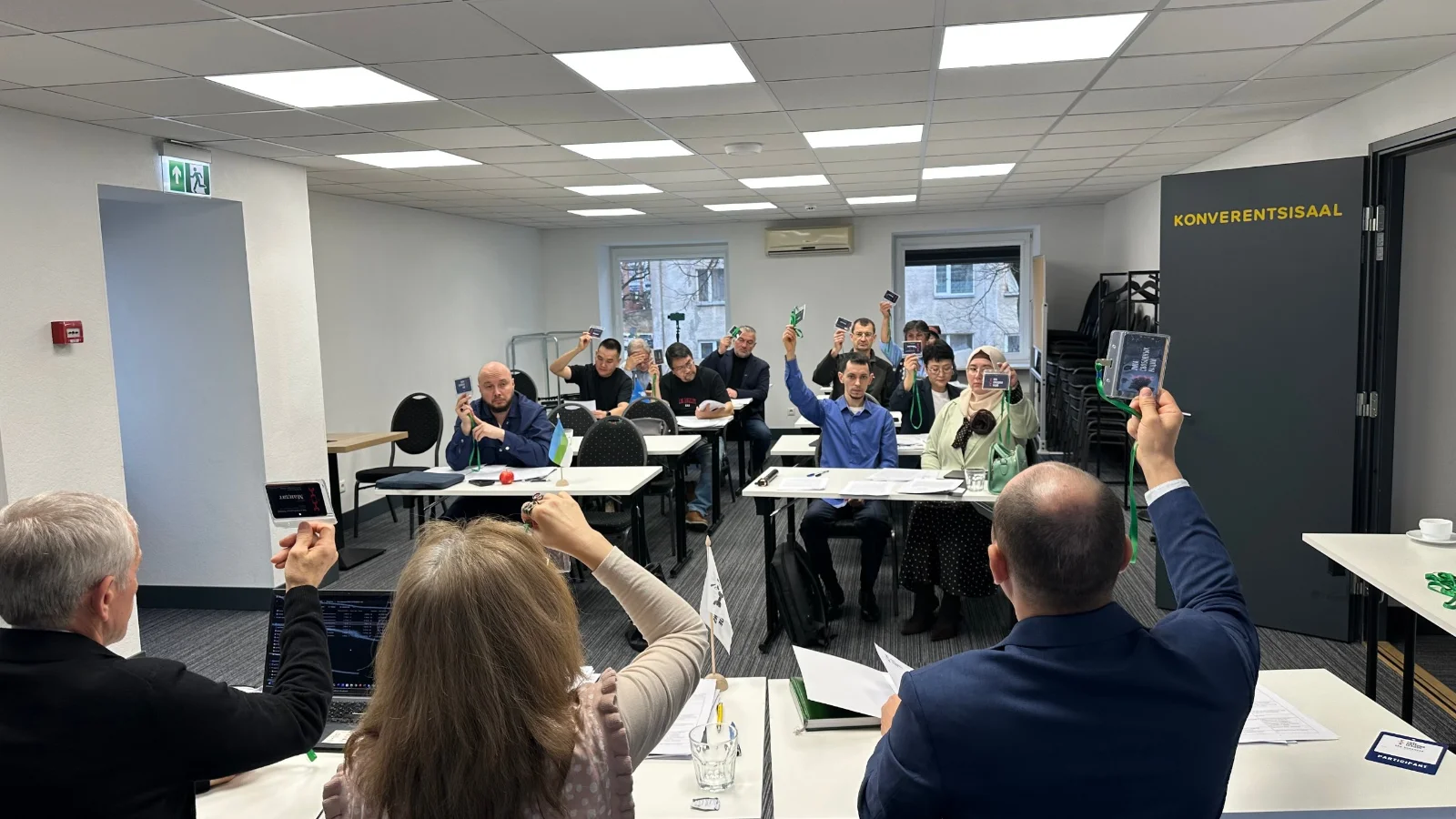
On the second day, the Congress considered the report “On the Situation of Indigenous Peoples of the Russian Federation”. It is the League’s first document written to UN standards. It sets out, clearly and with supporting arguments, the persecution of national movements and their activists, assimilation, the situation of languages, violations of religious rights and mobilisation, and makes the case for respecting peoples’ right to dispose of their land and resources. The document will soon be sent to Mariana Katzarova and the UN Human Rights Council, as well as to the foreign ministries and parliaments of partner states. The League’s aim is for the situation of Indigenous peoples to become the subject of a separate UN report rather than a line in general reports on Russia.
Delegates were also presented with the first issue of the League’s English-language magazine, Atlas of Nations, aimed at the European establishment: politicians, diplomats, analysts and journalists. Its task is to explain to the civilised world the nature of an empire that is still viewed there exclusively “through Moscow’s lens”.
Solidarity and memory
The President’s report also covered joint actions. The League took part in the campaign in defence of the Buryat lama Baldan Bazarov, who faced deportation from the United States to Russia. In June 2026, he was released on bail after almost two months in immigration detention. Warsaw hosted a solidarity action with political prisoners from Indigenous peoples and the exhibition “Bashkortostan: For Your Freedom and Ours!”. In May 2026, at the opening of the Venice Biennale, the League held an action for peoples’ right to their own cultural representation.
According to Syres Bolyaen, one of the most valuable achievements of these years is mutual support between peoples: when Kalmyks turn out for a Tatar action and Buryats defend Circassian memory, a colonial scheme built on disunity stops working.
The Congress also adopted a number of documents, including:
-
a statement on the rights of peoples to the natural resources of their lands;
-
a report on the situation of Indigenous languages in the Russian Federation;
-
an appeal to the Foreign Affairs Committee of the Riigikogu, Estonia’s parliament;
-
an appeal to the Standing Committee on Security and Foreign Policy of the State Great Hural of Mongolia;
-
appeals to the Organization of Turkic States and TÜRKSOY.
The Congress called on EU institutions, the OSCE and the UN to create accessible mechanisms to protect activists of national movements who have been forced to leave Russia.
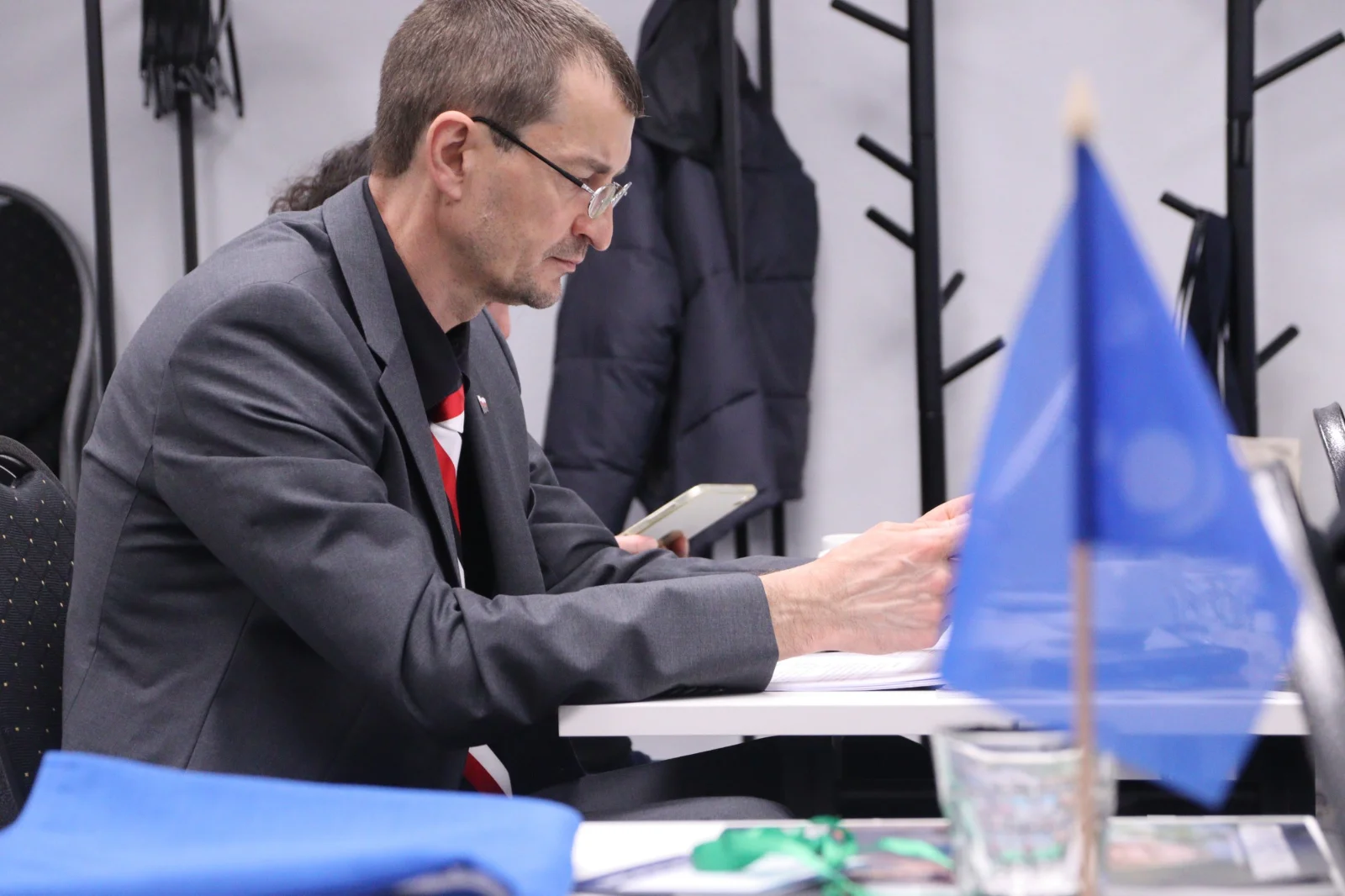
One of the reasons was the case of the plot to murder Ruslan Gabbasov, a member of the League and head of the Bashkir National Movement Committee Abroad, who has been granted asylum in Lithuania. On 9 October 2026, Vilnius Regional Court began hearing the case against six defendants. According to the prosecution, the murder was being prepared by the Russian security services.
The authors of the document stress that the Gabbasov case should be viewed in the context of other attacks on political émigrés and critics of the Russian authorities outside Russia.
The main priority: strong movements
The final part of the Second Congress was devoted to the future.
“Imagine a building. The League is the roof, and the movements are the columns it rests on,” Syres Bolyaen said. “You can paint the roof, decorate it, make it visible from afar. But it will never rise higher than the columns.”
He described a strong movement as one that is useful to its people already now, not only in the future. For the coming year, the League’s member movements have been asked to concentrate on four key areas:
-
Work with émigré communities – finding and recruiting new people, above all young people.
-
Human rights work and assistance to political émigrés – helping political prisoners and their families, liaising with lawyers and passing information to the League’s human rights group.
-
Language and identity – courses, and publishing dictionaries, books and content in native languages.
-
Media and digital projects – further development of socio-political media in native languages, and projects on history, culture and genealogy.
According to Congress participants, this is what real politics is: politics that builds each people’s genuine agency from the ground up.
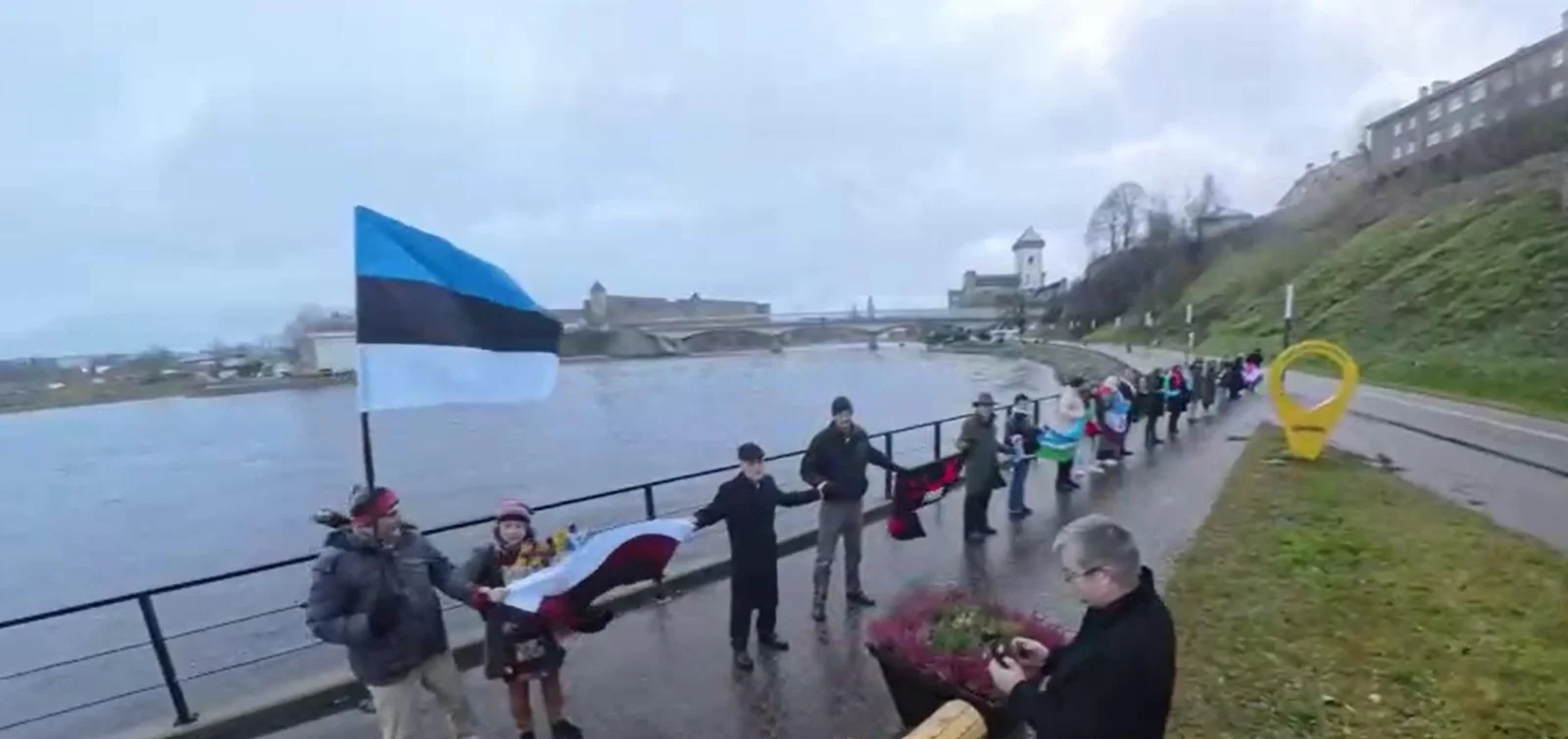
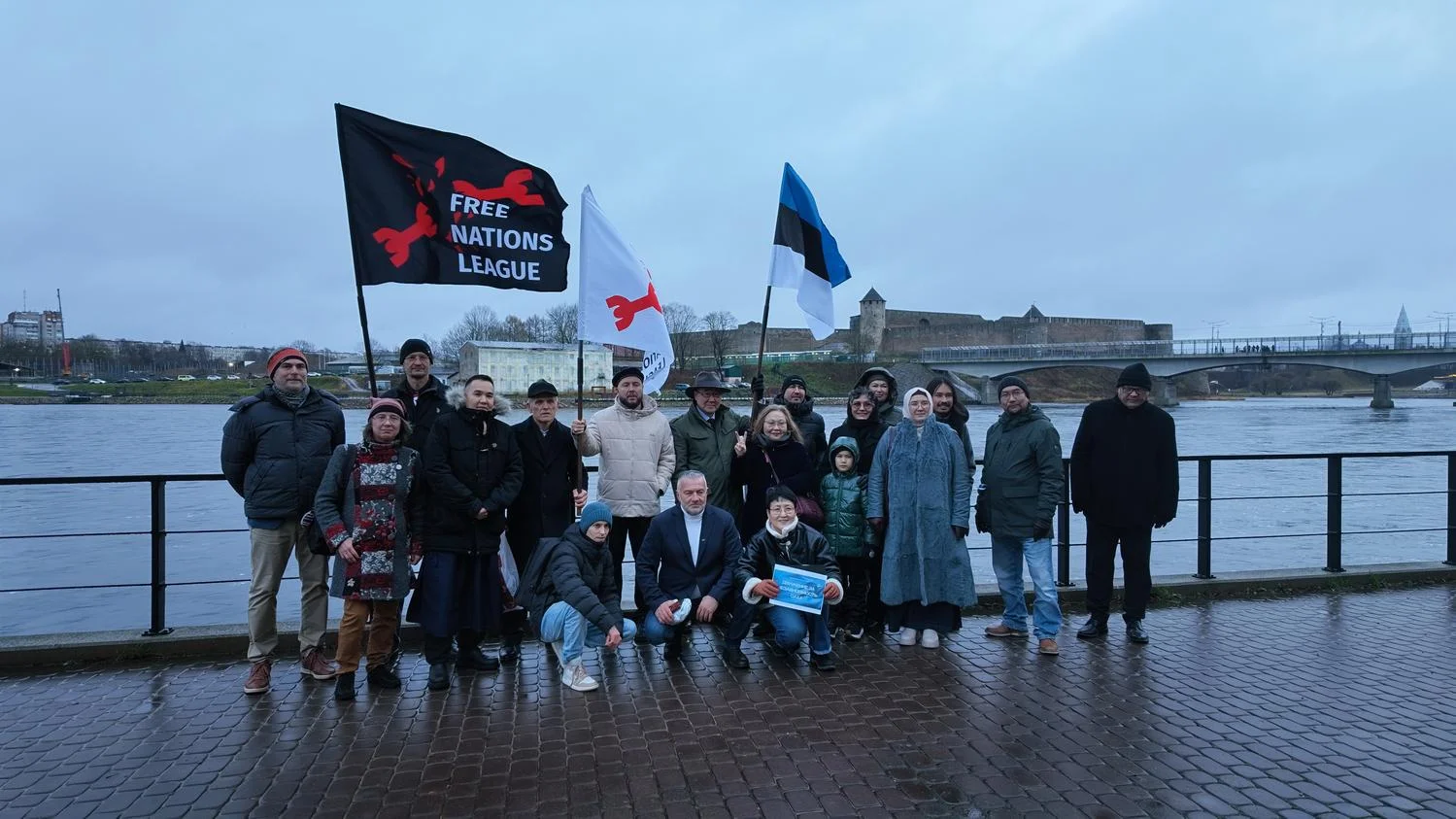
At the close of the Congress of the League of Free Nations, its delegates staged a flash mob on the Narva embankment with the flags of the national republics they represent. The flash mob was a visible expression of the League’s position: peoples whom Moscow has for centuries regarded as its property must gain agency. The participants sent a signal to their peoples: the empire is not eternal, and the future of their republics must be decided by those who live in them.
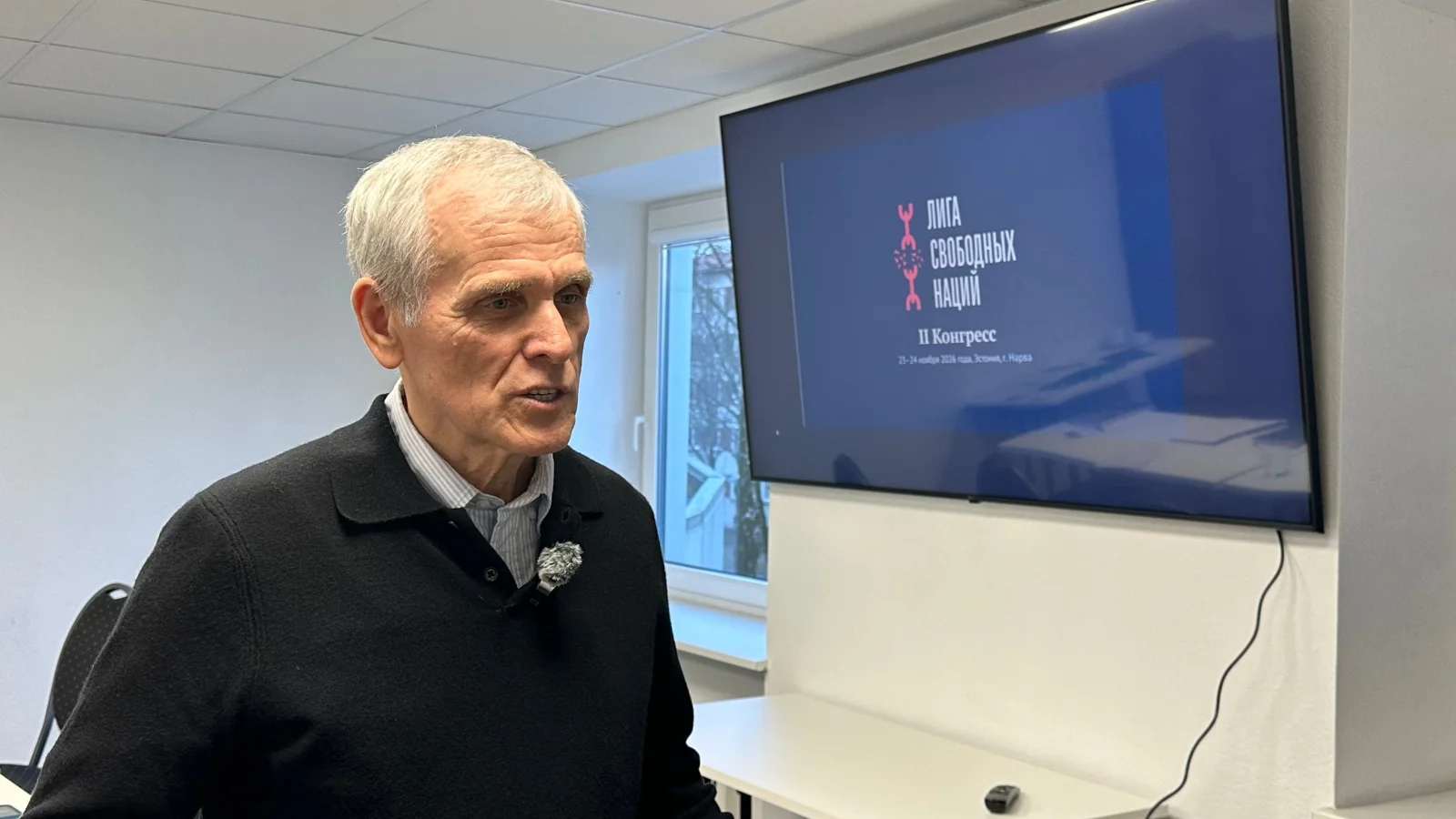
Syres Bolyaen, President of the League of Free Nations, Inyazor of the Erzya people
The Congress showed that we have become a disciplined organisation and a united team with a common goal, common views and common principles. At the First Congress we were still sizing each other up and looking for ways to put our ideas into practice. Now we coordinate national movements and plan large-scale political campaigns. We assess every action by its expected result and its contribution to our strategy.
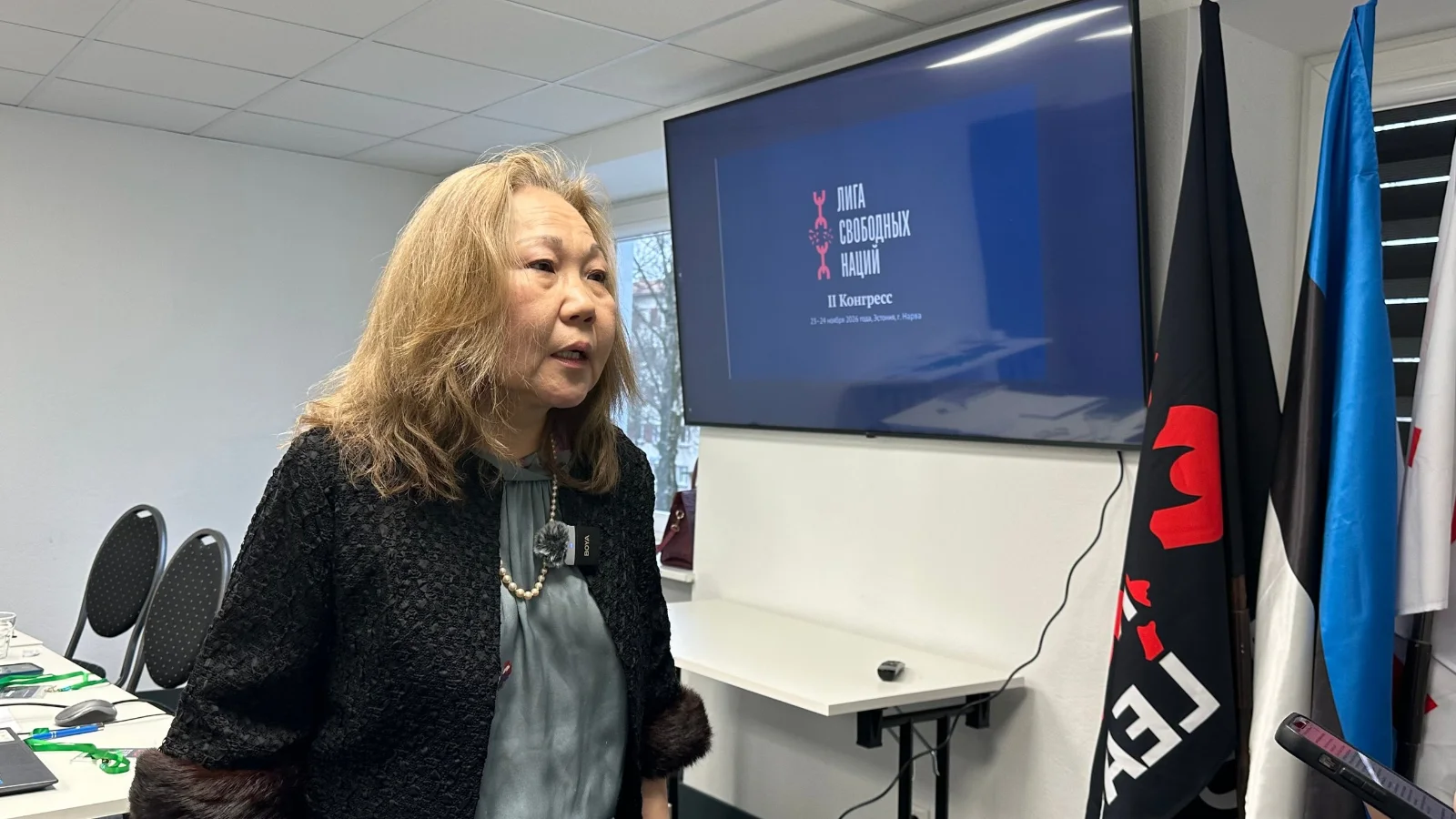
Radjana Dugar-De Ponte, co-chair of the Buryaad-Mongol Erkheten Democratic Movement, member of the League of Free Nations
The main goal of this Congress has been achieved. Over the time we have existed, there have been enormous changes – quantitative and qualitative shifts both in the development of the organisations that make up the League and in the development of the League itself. If, more than two years ago, someone had told me what audience the League would have today, how many people would be watching us, supporting us and sharing our ideas, and how the idea of independence for our regions would take hold of such vast numbers of people, I would not have believed it. This gives us great cause for optimism. I would like the momentum given by this Congress to continue – for this tidal wave of our movements to sweep across the whole of Northern Eurasia.
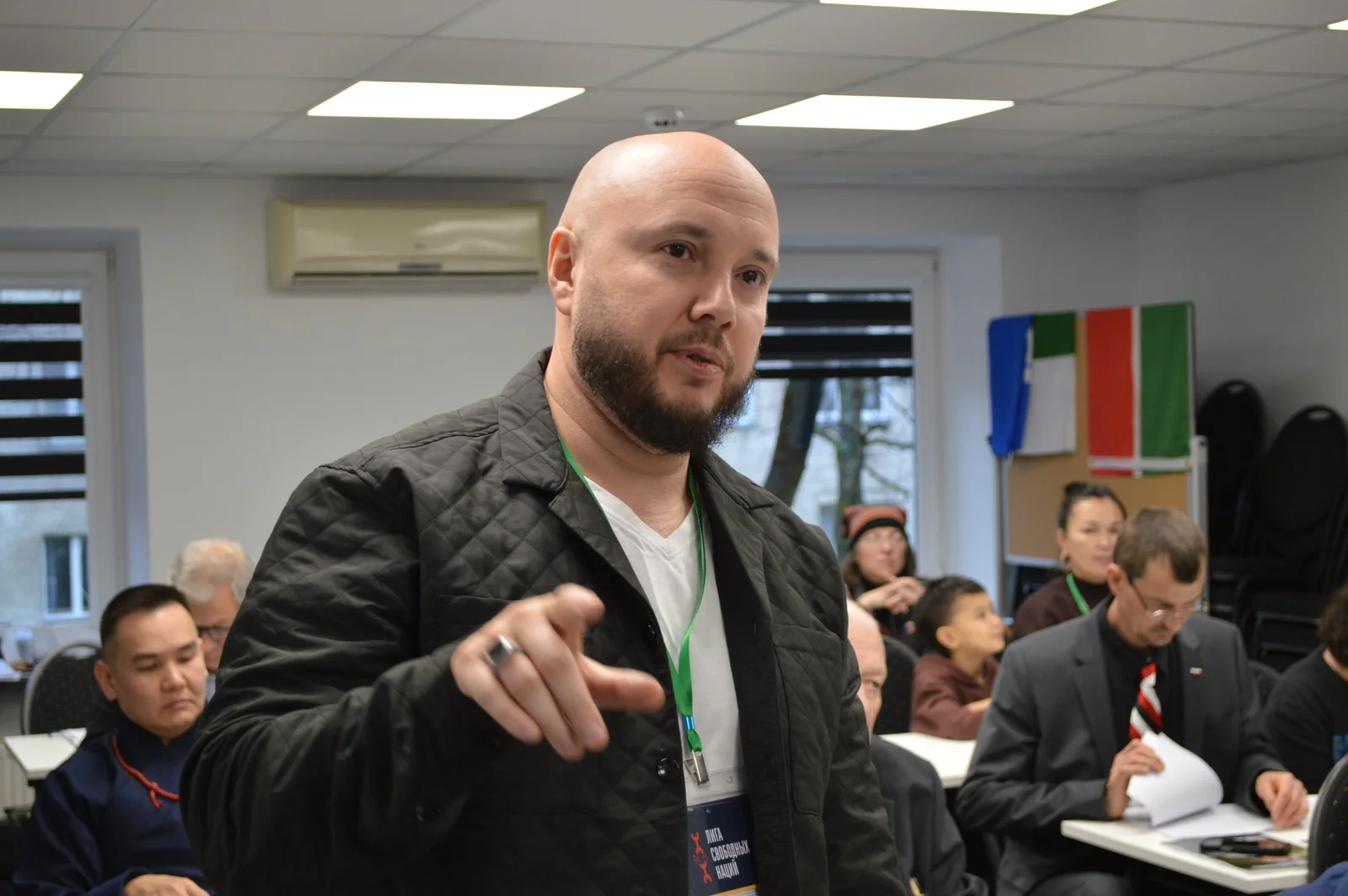
Ruslan Aisin, coordinator of the World Tatar Council, member of the League of Free Nations
The choice of venue for the Congress was unexpected, but that surprise brought tremendous emotions, new sensations and acute political tension – in a good sense. I think all this makes us take both the event itself and what we do more responsibly and seriously. The Congress held in Narva will give the Russian security agencies an additional push and will increase political and informational pressure, because for them it is a serious challenge. I think they will certainly respond. This Congress is a historic event, a new stage in our life. The League has moved into a new state of matter, and I hope that the documents, appeals and statements adopted will help the League develop further.
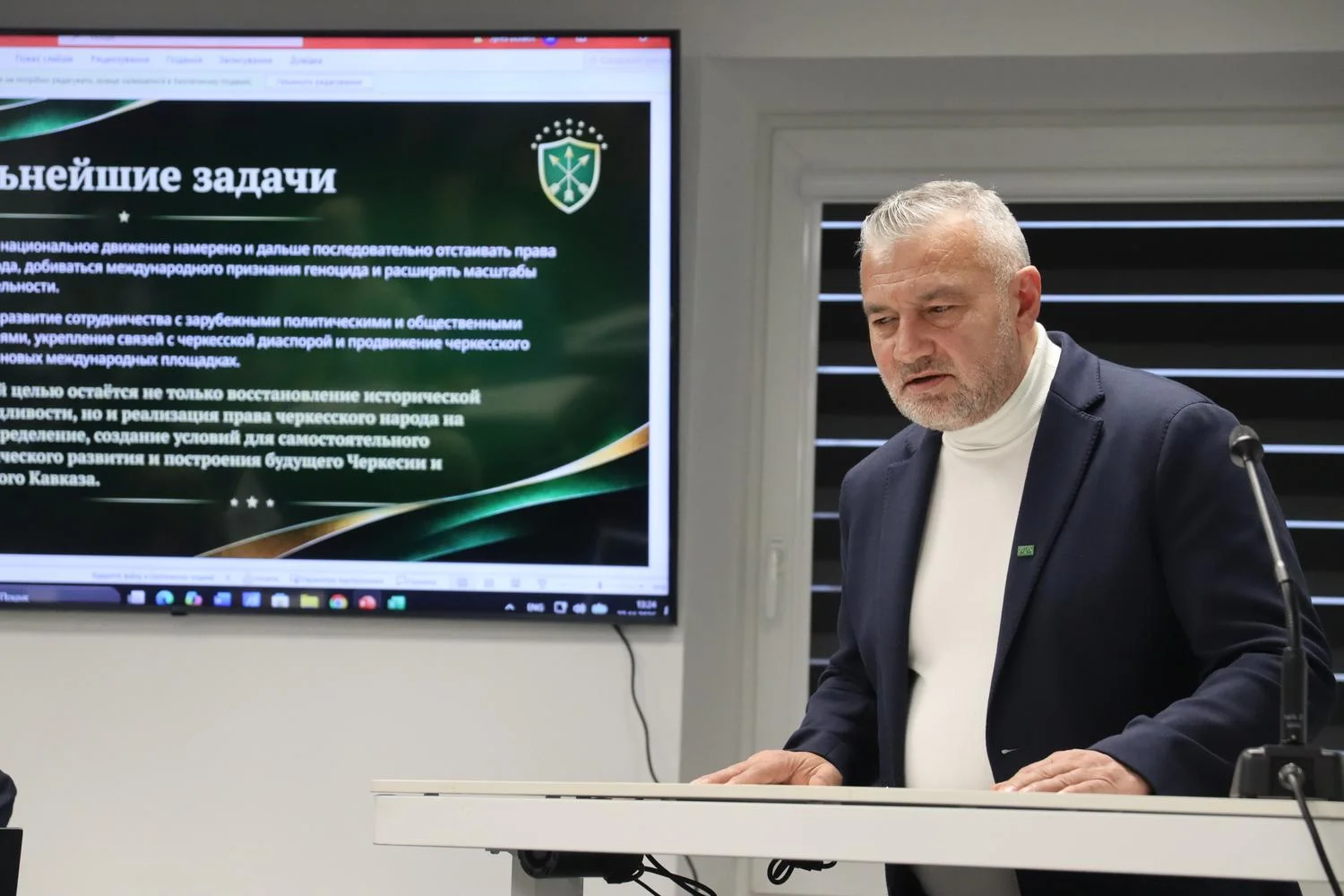
Rustam Khuazhev, representative of the World Circassian Agency in Germany, member of the League of Free Nations
What sets this Congress apart is that we made key changes to the existing Statute. The powers of the Presidium are now clearly defined – and they have been expanded. We can now work more quickly. I believe this is especially important in the current circumstances. The League’s status is changing significantly, and its standing has grown considerably in the eyes of many international organisations. I believe the League has worked very productively in recent years; with its current standing in international institutions, the League can genuinely advance the interests of the colonised peoples whose rights we are fighting for together.
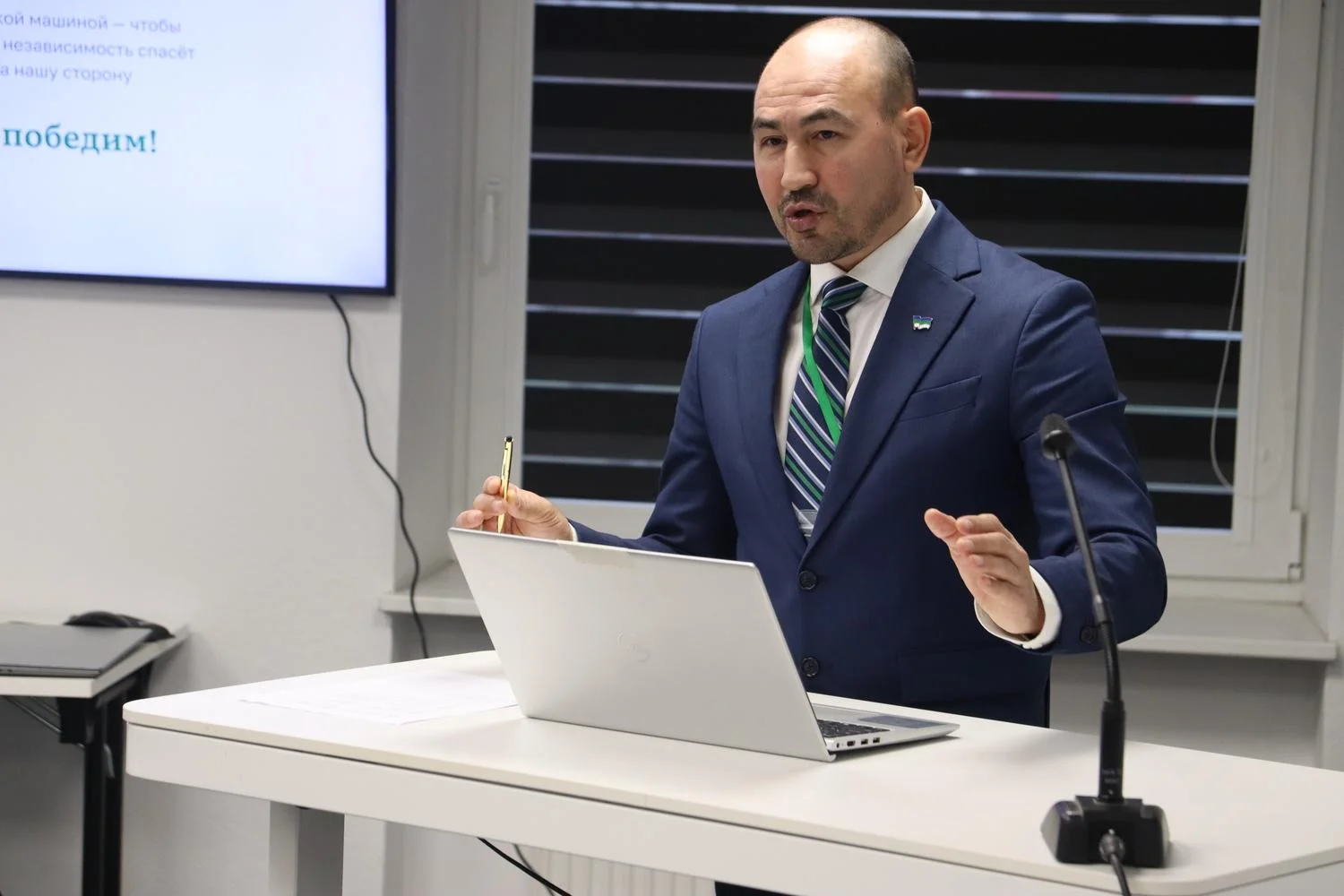
Ruslan Gabbasov, head of the Bashkir National Movement Committee Abroad, member of the League of Free Nations
If the League used to be a platform that various national movements belonged to, today it is the clear leader. There are no other supranational movements like it. Some organisations have gone into the shadows, some have ceased their activities, but the League exists and is growing. The League’s potential is increasing, and so is the number of its members. Today the League is known in most EU countries. We are in contact with states that support their kindred peoples, and the geography of our support is very broad. I really liked this Congress – it was very professional. It is very important that we adopted the new Statute and gained new impetus for development and expansion. The Congress showed that all the League’s participants are true leaders of their organisations. I would also like to mention the flash mob we held on the bank of the Narva River, opposite the Russian bank. That was very bold. It inspires further work; I want to bring more people and organisations into the League and to make it as authoritative as possible – an organisation known in every country in the world.
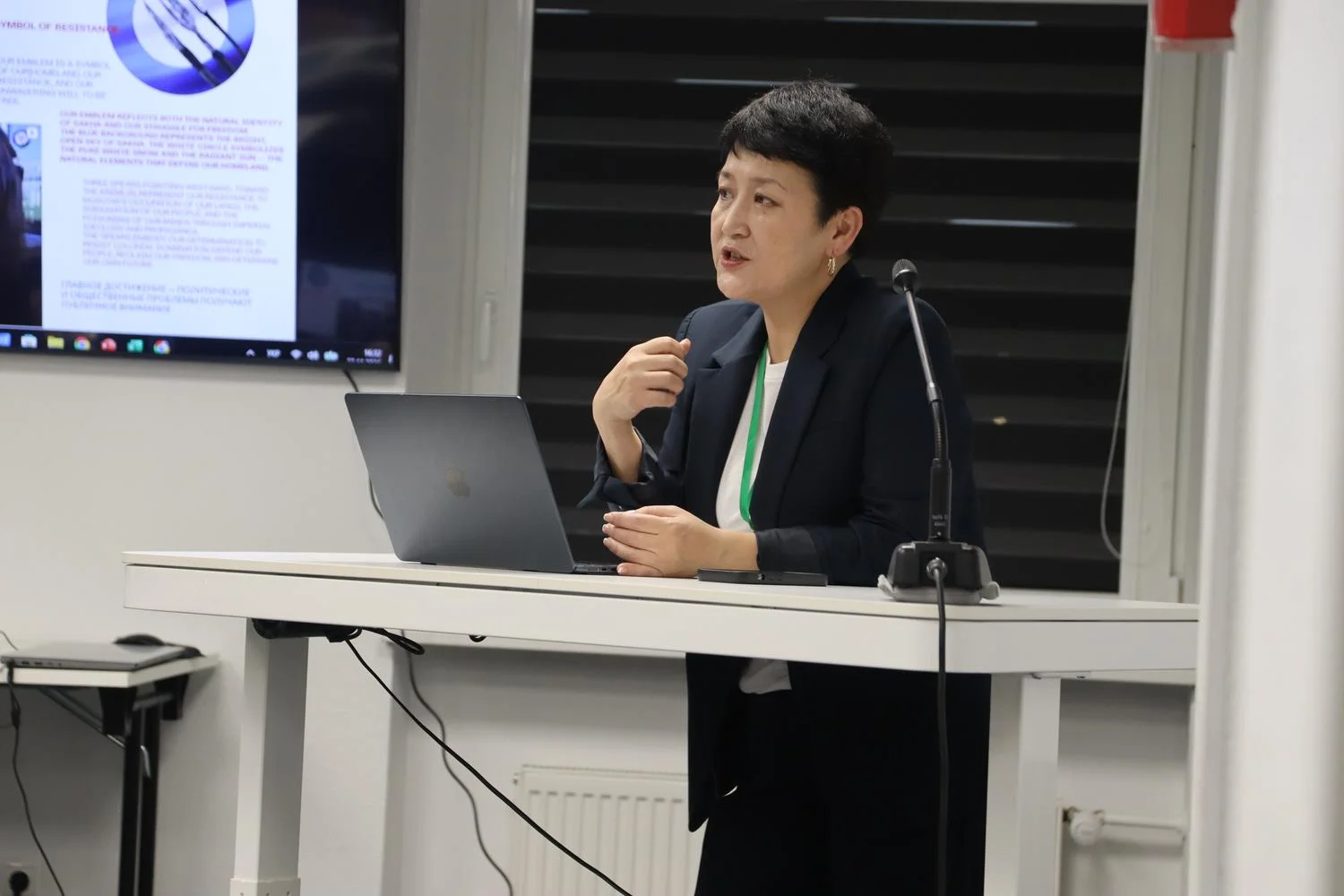
Raisa Zubareva, leader of the Sakha independence movement, member of the League of Free Nations
Most important of all, we adopted the new Statute. Just as important are the documents we adopted on the situation of our languages, on natural resources and on the persecution of national activists. I have been a member of the League for two years now, so I can see that this Congress was needed because the League has grown. It is no longer a small child but a serious political organisation. Yes, the League has changed for the better. Today, sitting silently and doing nothing means agreeing with what the Russian Federation is doing to our peoples. When we unite in organisations such as the League, it makes our work productive and our voices louder. That is why we must unite.
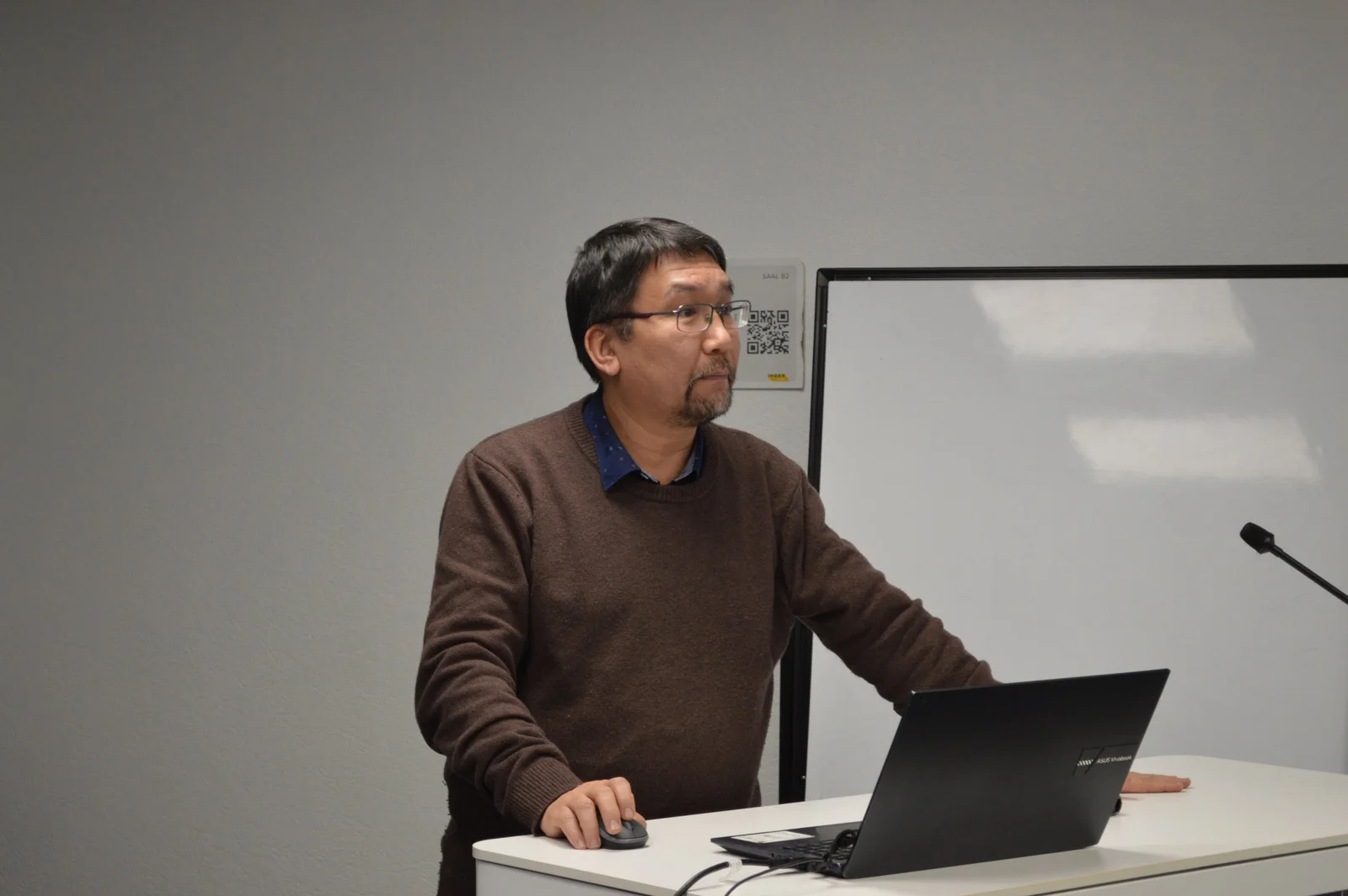
Dorzho Dugarov, co-chair of the Buryaad-Mongol Erkheten Democratic Movement, member of the League of Free Nations
As someone who took part in founding the League, I can say that since then we have become the strongest – and the only – umbrella organisation bringing together the national movements of peoples fighting for their freedom and independence. Seeing how effective the League’s work is, we would like other peoples and organisations to join us as well. From the very beginning we set clear goals and objectives. That is why the results are visible today. Over time, any organisation goes through certain stages. Since the last Congress, we have lived through what we had to live through and reflect on. The League is now at the stage of maturing. And now we are creating a structure that meets the challenges of the present moment. We have grown, and each of our organisations has become stronger. This is the combined strength of all our movements. We enrich one another and constantly exchange information and experience. We have a goal – the creation of free, independent states – and I am confident that, whatever happens, we will be able to achieve it.
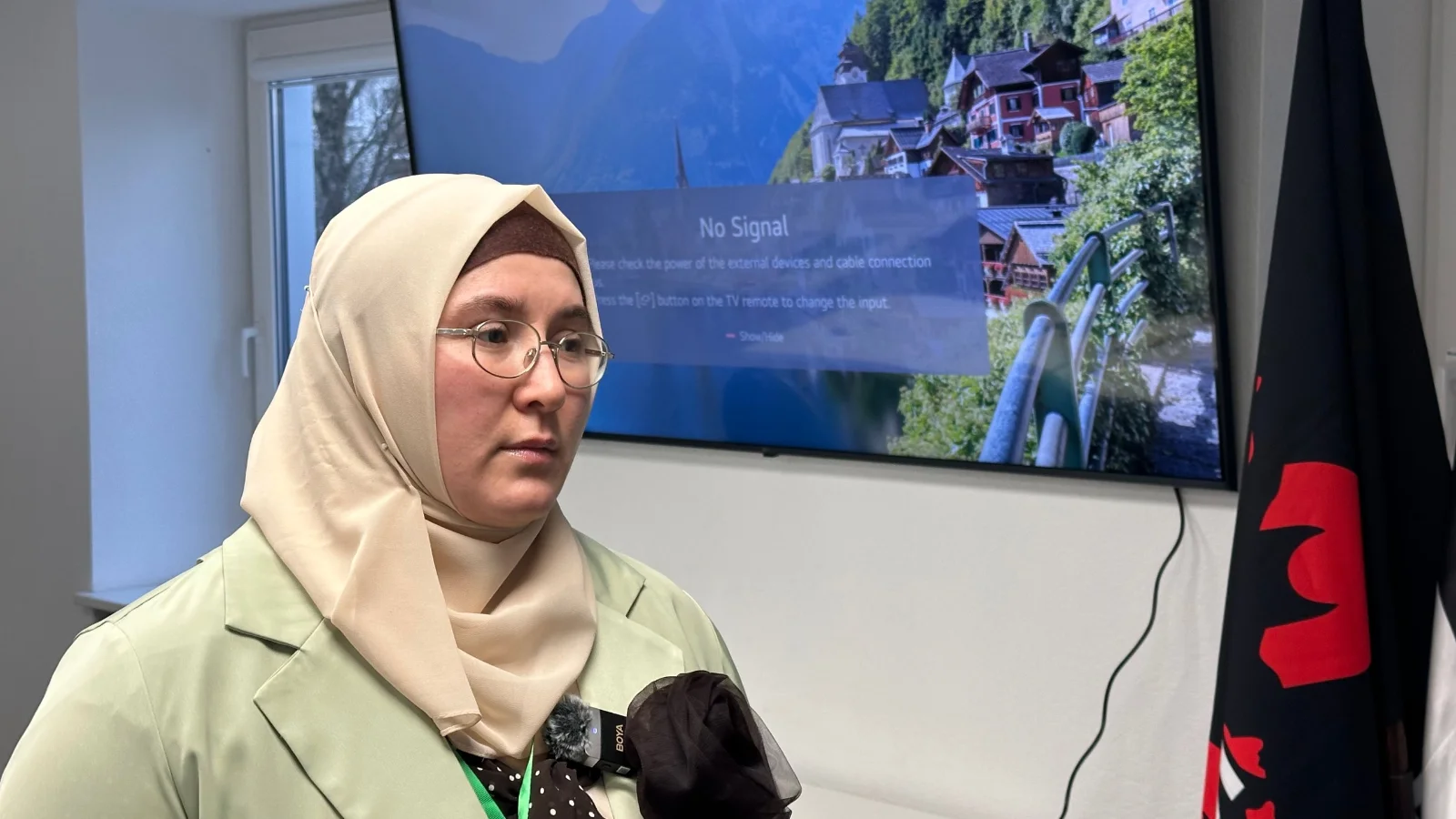
Aida Abdrakhmanova, head of the Tatarstan Independence Committee, member of the League of Free Nations
The Congress was very productive and intense. We resolved a great many issues and adopted many provisions that will support the League’s international work. This is very important for us at the moment. All the decisions at the Congress were taken thoroughly and responsibly. I think the outcome will be even more productive work on international platforms. Such meetings are essential for continuing the struggle for the independence of our republics. For example, we voted for an appeal to TÜRKSOY. This is very important, because the Turkic states must know that we exist, that we have preserved our identity, that we want to engage with them and that we expect their help in gaining independence.
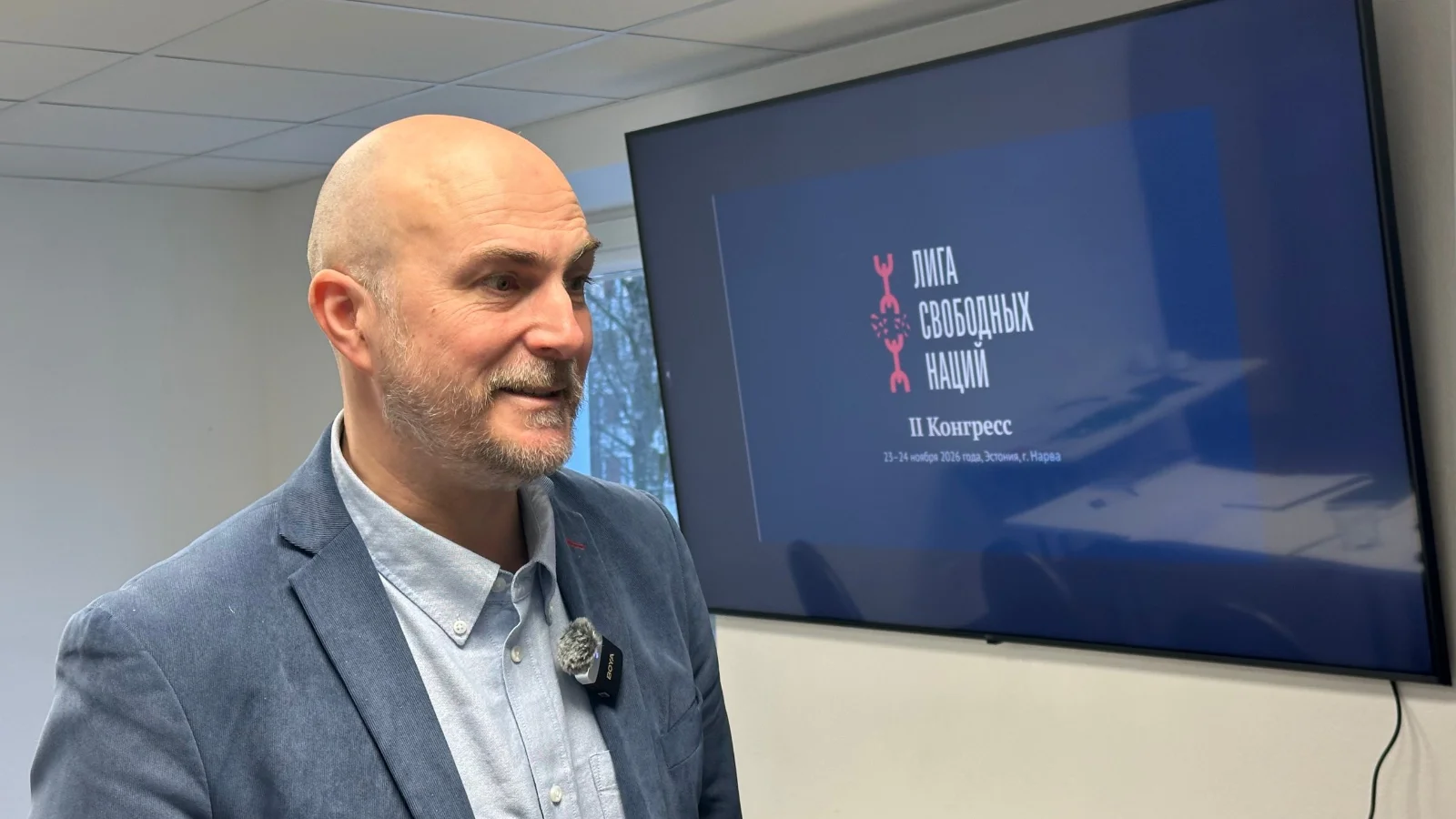
Oliver Loode, Director of the URALIC Centre
It is very important that the League’s members met in one place, and very symbolic that this happened in the Estonian city of Narva, near the Russian border. The choice of venue set a good tone for the Congress. I wouldn’t talk about fear of the empire. There is a difference between risks and fears. Fear has to be fought, and we need to show by example that the League’s participants are not afraid of this empire. We need to look at the other bank of the river and work towards our goals. More people know about the League today than two years ago. But as far as Estonia is concerned, the League is still not well enough known here – especially in the centres of decision-making. I mean our parliament and foreign ministry, and foreign policy and security experts. In my view, the issue of Russia’s decolonisation is not yet taken seriously in the Estonian political establishment. So we need to work to show in practice that the League is a very serious opposition movement.