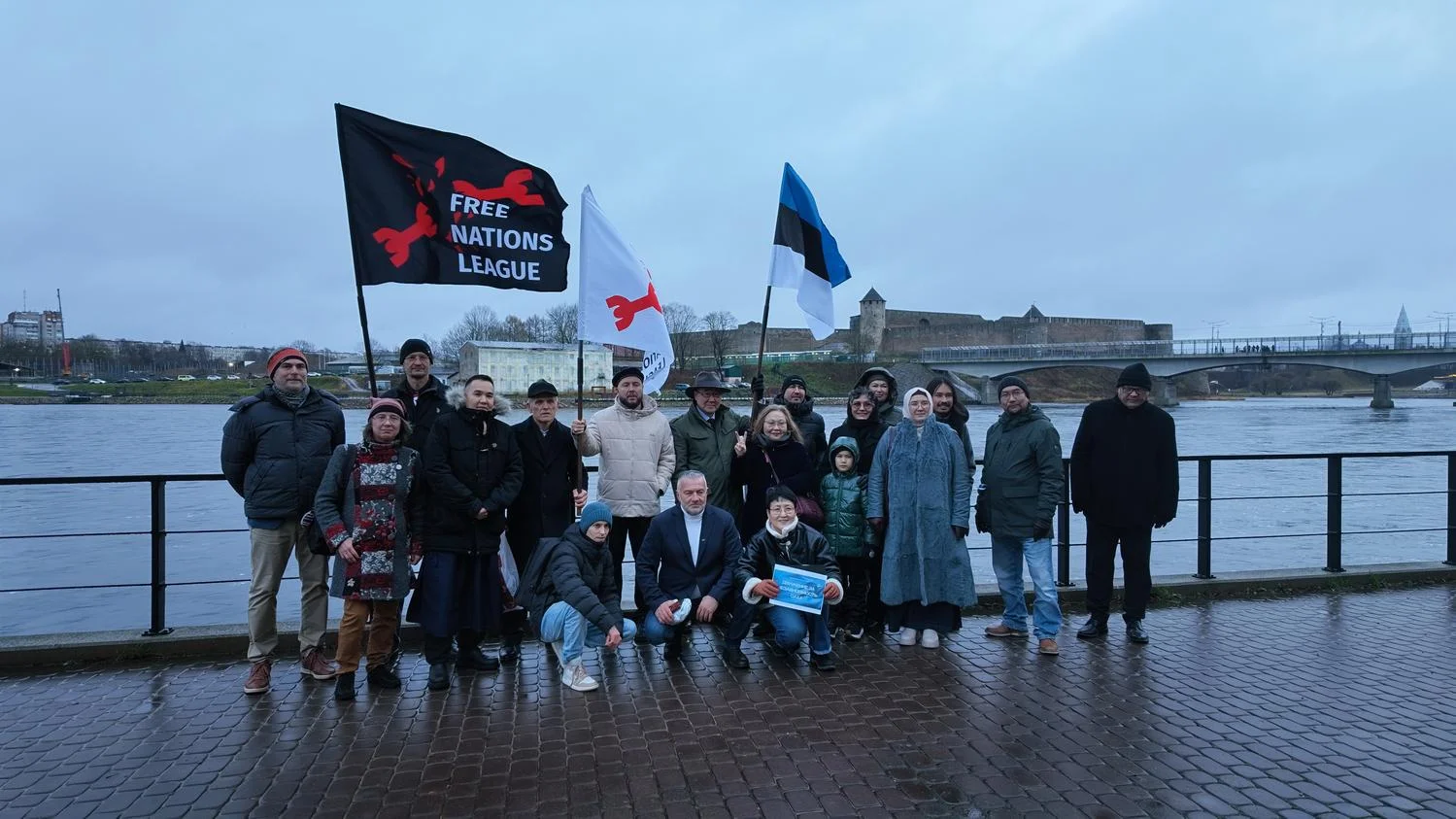

The Second Congress of the League of Free Nations took place in Narva, Estonia, on 23–24 November 2026. The League brings together 12 national movements of Indigenous peoples of the Russian Federation. Delegates from the Tatar, Bashkir, Sakha, Buryat, Circassian and Erzya movements approved a revised version of the League’s Charter and a report, “On the Situation of Indigenous Peoples of the Russian Federation”. The Congress also adopted appeals to parliaments and international organisations.
Under the new Charter, the Presidium consists of the elected leaders of all the League’s member organisations, with one vote per organisation. The Congress is convened at least once every three years. An organisation wishing to join the League must meet a number of requirements and complete a probationary period.
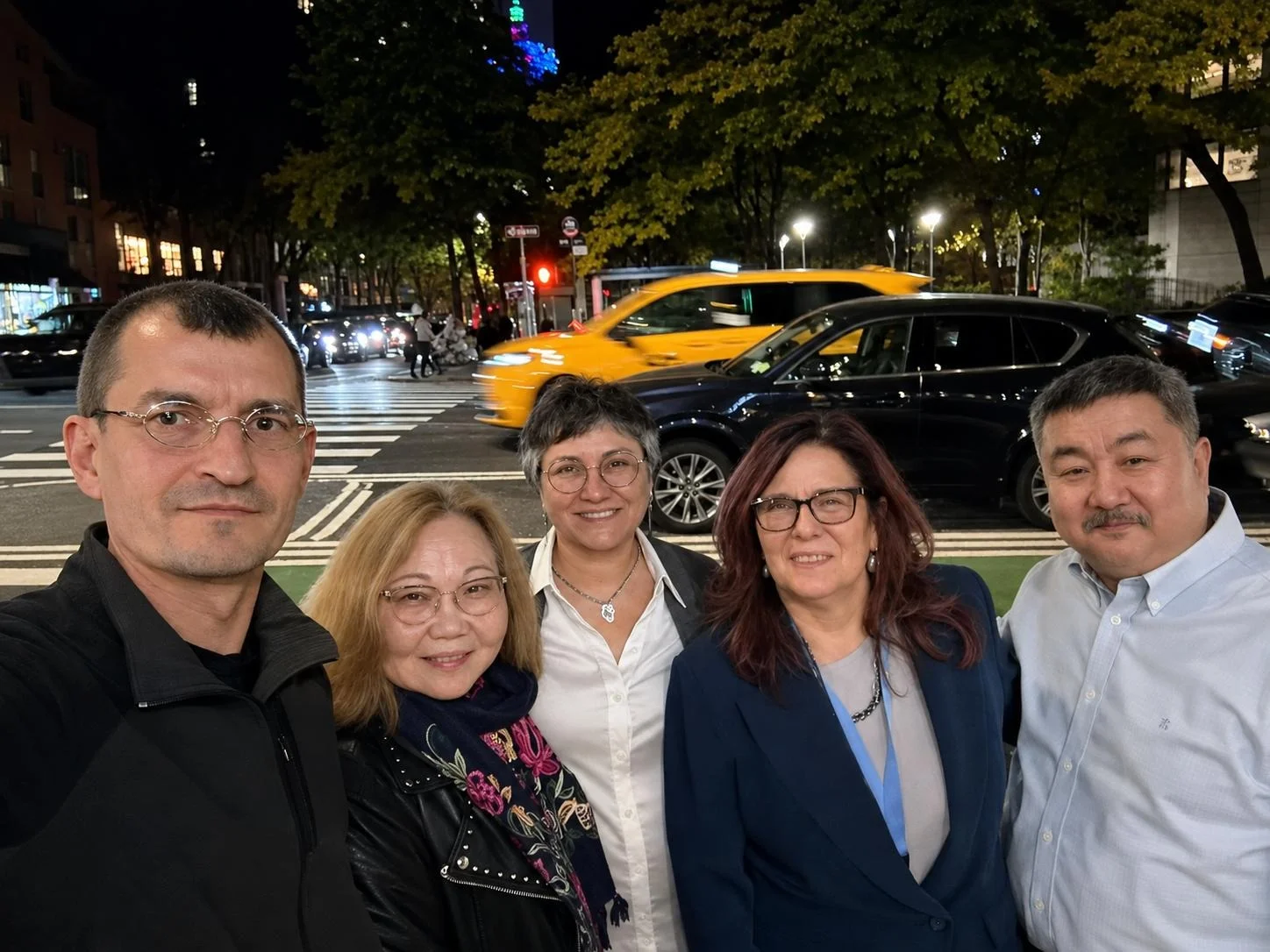
The report “On the Situation of Indigenous Peoples of the Russian Federation” was prepared in line with UN standards, with the participation of all the League’s movements, and was approved unanimously. By 10 December, the League will send it to Mariana Katzarova, the UN Special Rapporteur on the situation of human rights in the Russian Federation, and to the UN Special Rapporteur on the rights of Indigenous Peoples. The report will also go to the foreign ministries and parliaments of the states with which the League is developing contacts. It will then be submitted to the relevant UN committees, the Parliamentary Assembly of the Council of Europe (PACE) and the European Parliament. In November 2026, a League delegation met Mariana Katzarova and agreed on working contacts and the exchange of information with her office.
The Congress also adopted:
-
a statement on the rights of peoples to the natural resources of their lands;
-
a report on the situation of Indigenous languages in the Russian Federation;
-
an appeal to the Foreign Affairs Committee of the Riigikogu, Estonia’s parliament;
-
an appeal to the Standing Committee on Security and Foreign Policy of the State Great Hural of Mongolia;
-
appeals to the Organization of Turkic States and TÜRKSOY.
The Congress devoted a separate appeal to threats to the lives of activists in exile. In Vilnius, six defendants are on trial, accused of plotting to murder Ruslan Gabbasov, a member of the League. Chechen émigrés Zelimkhan Khangoshvili, Imran Aliev and Mamikhan Umarov have already been killed in Europe, and in June 2026 the Bashkir artist Robert Kuzovkov (Semyon Skrepetsky) was killed in Poland. The League is calling on European institutions to create mechanisms to counter political assassinations ordered by Moscow.
Presenting his report on the League’s work, its President, Syres Bolyaen, said that “the League has ceased to be an idea and has become an organisation”. In January 2025, a legal entity, Free Nations League, was registered in Vilnius, and in May 2026 Tatar Şurası joined the League. The League’s channels have gained more than 905,000 subscriptions across six platforms. Since January 2024, the League’s YouTube videos have been viewed 1.37 billion times, mostly from Russia.
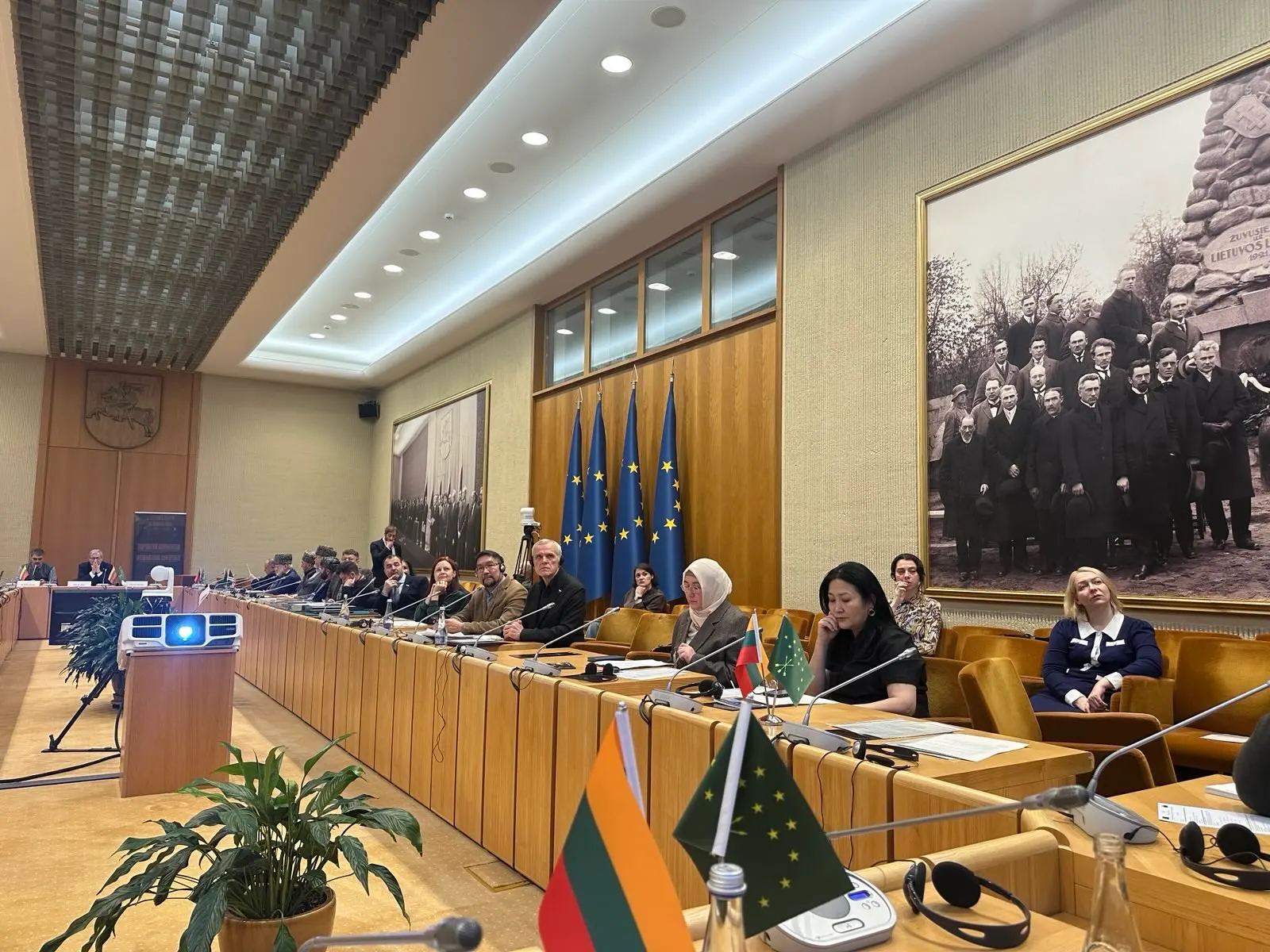
The League has established direct dialogue in Europe: it held a conference on the Circassian genocide in the Lithuanian Seimas and six meetings with Members of the European Parliament, and signed memoranda with the Estonian-based URALIC Centre. In Central Asia, the South Caucasus, Turkey and Mongolia, leaders of the League’s movements held a series of meetings with politicians, parliamentarians and experts. In November 2026, the first issue of the League’s English-language magazine, Atlas of Nations, was published to strengthen the organisation’s diplomatic work.
“The voice of our peoples is now heard in halls to which, until recently, only representatives of Moscow or the Russian opposition were invited. The foundation of the League is the national movements. Today it is made up of Tatars, Bashkirs, Sakha, Buryats, Circassians, Oirat-Kalmyks and Erzya. Over these years, representatives of other peoples have also gathered around the League: Udmurts, Mari, Moksha and Ingrians. The next step is for them to create their own national organisations. There are peoples who today have no independent organisations at all – neither in exile nor at home. Helping them speak in their own voice is one of the League’s most important tasks,” said Syres Bolyaen.
He named strengthening the national movements as the League’s main priority for the coming year: work with émigré communities, human rights advocacy, preserving native languages and creating their own media.